↓
 

Global Traveller Blog

Beyond the Bucket List

  • Home
  • About
  • Featured Images
  • Latest Trip
  • Visiting Sanliurfa
Home - Page 10 << 1 2 … 8 9 10 11 12 … 37 38 >>

Post navigation

← Older posts
Newer posts →

Around Bukhara

Global Traveller Blog Posted on April 22, 2019 by JeanneMay 5, 2019

I awoke to clear skies. What a pleasure! Finally! It seemed like a good day to look around the countryside a little.

I arranged for a taxi to take me to the main sights ($15) On the way the driver pointed out vineyards and fruit trees saying that the new President was finally moving away from King Cotton. The thirsty plant has ruined the soil. He blames it on the Soviets but actually the late strongman  Karimov enthusiastically continued the destructive policy.

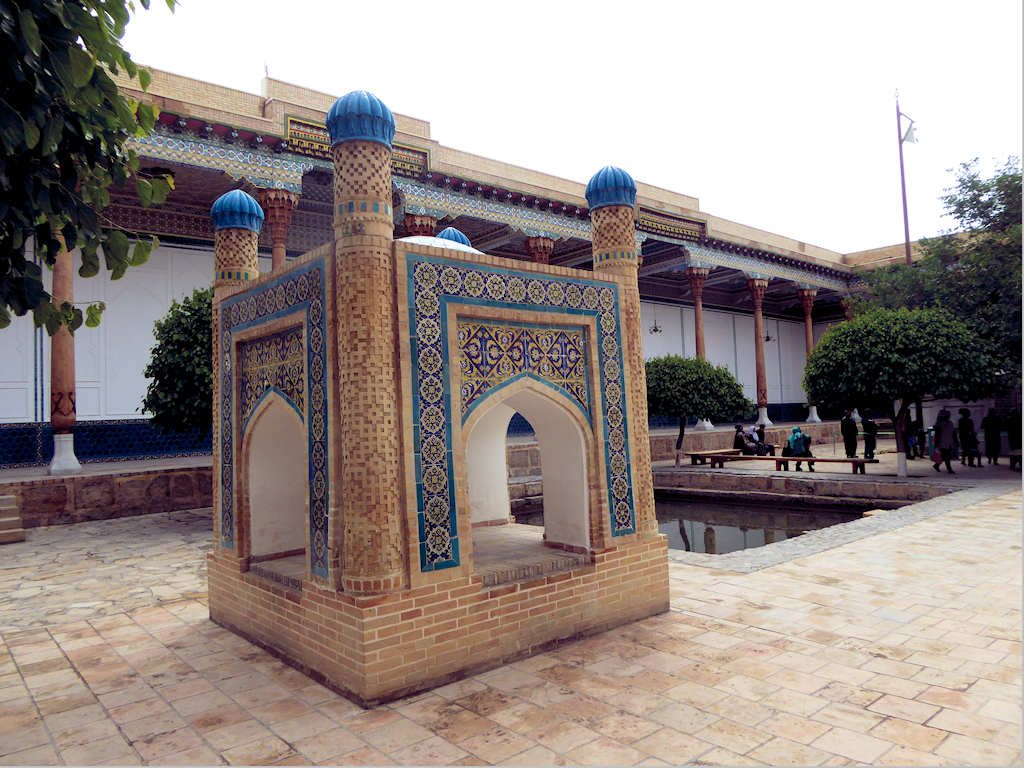
First stop was the Bahautdin Naqshband Mausoleum. It was busy with worshippers and a few tourists. Restoration was pretty heavy as it is considered a holy spot. It’s partly because the region embraced his brand of Sufi Islam that the more extremist Wahibi brand never gained traction here.
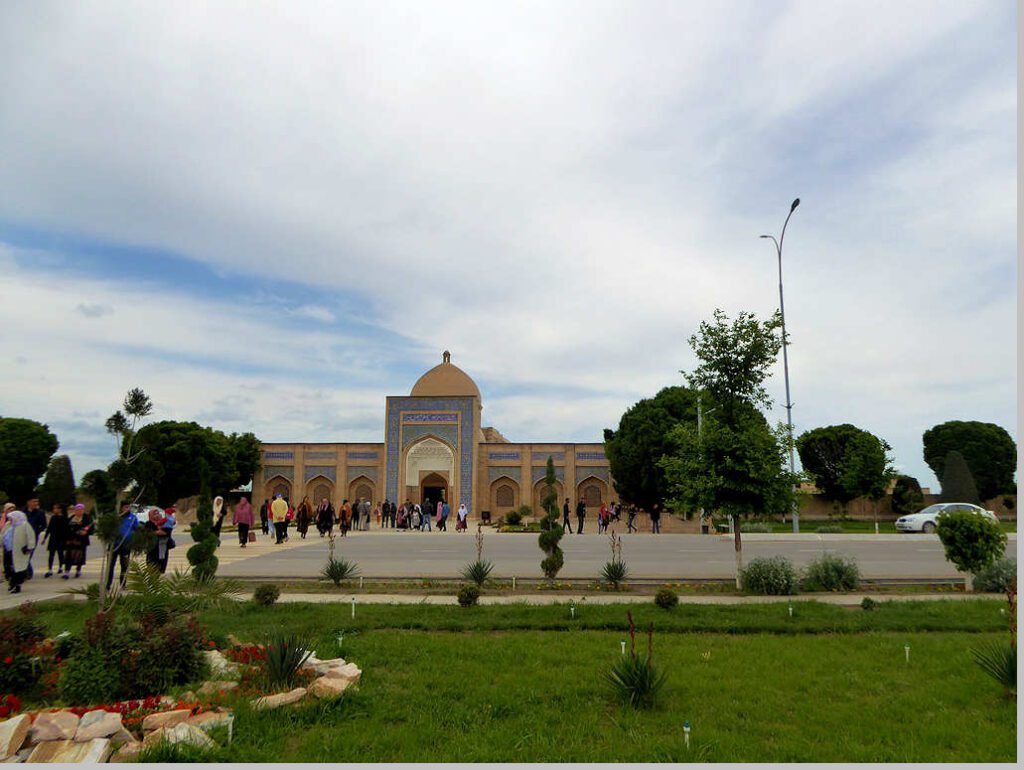
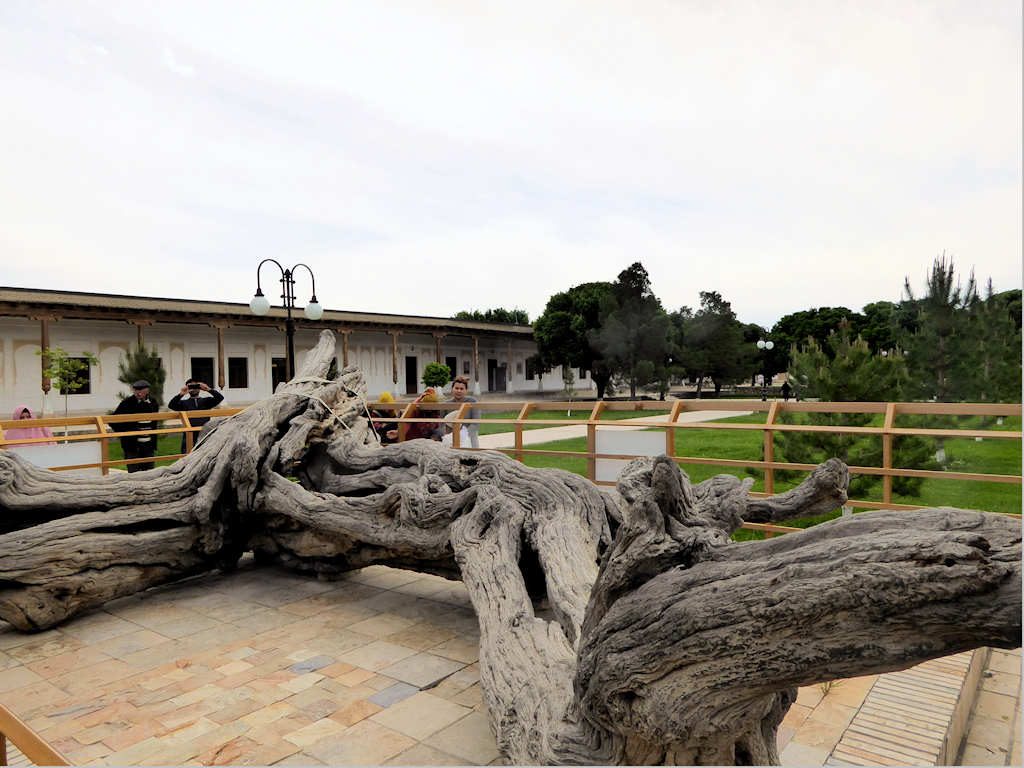
Then there was the petrified tree which allegedly sprouted on the spot where BÑ stuck his staff after returning from Mecca.
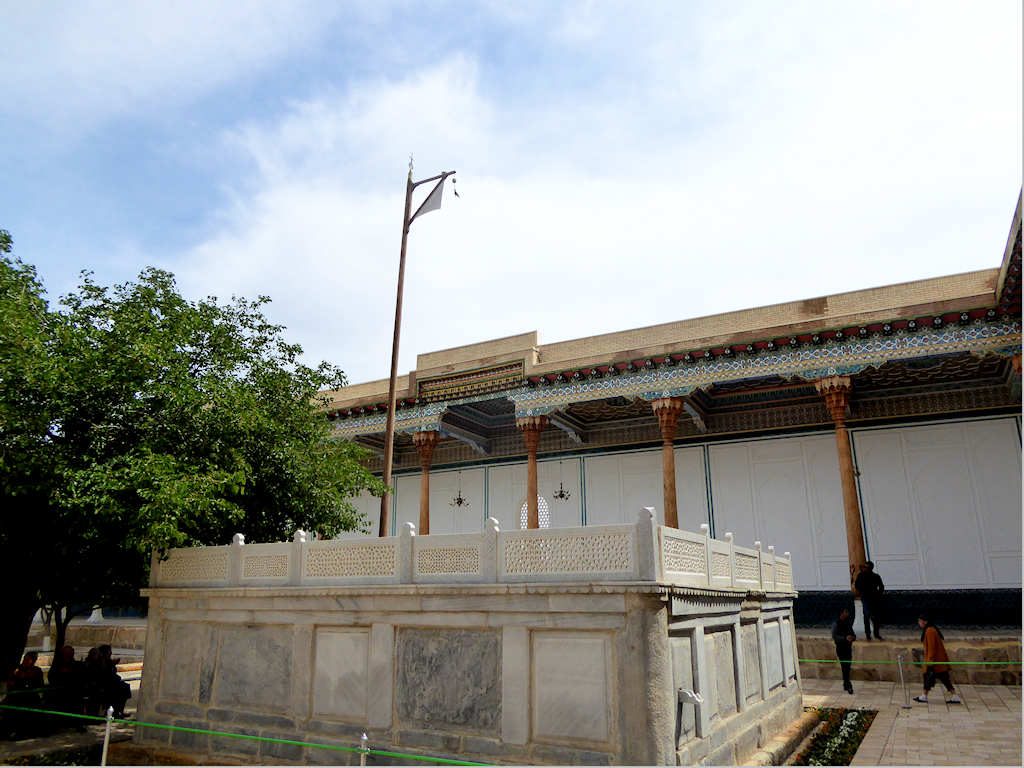
His tomb was the focus, protected by a horse tail, which is a Mongol custom.
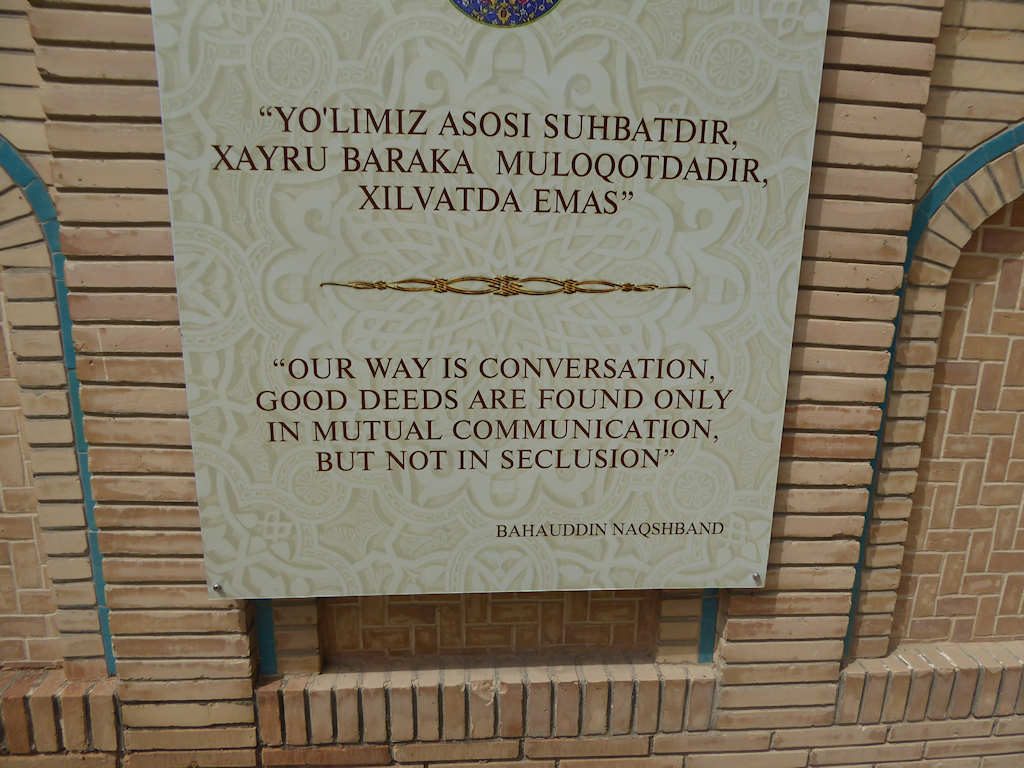
This was far more of a holy spot than tourist destination. The holy man’s aphorisms were displayed throughout the site:
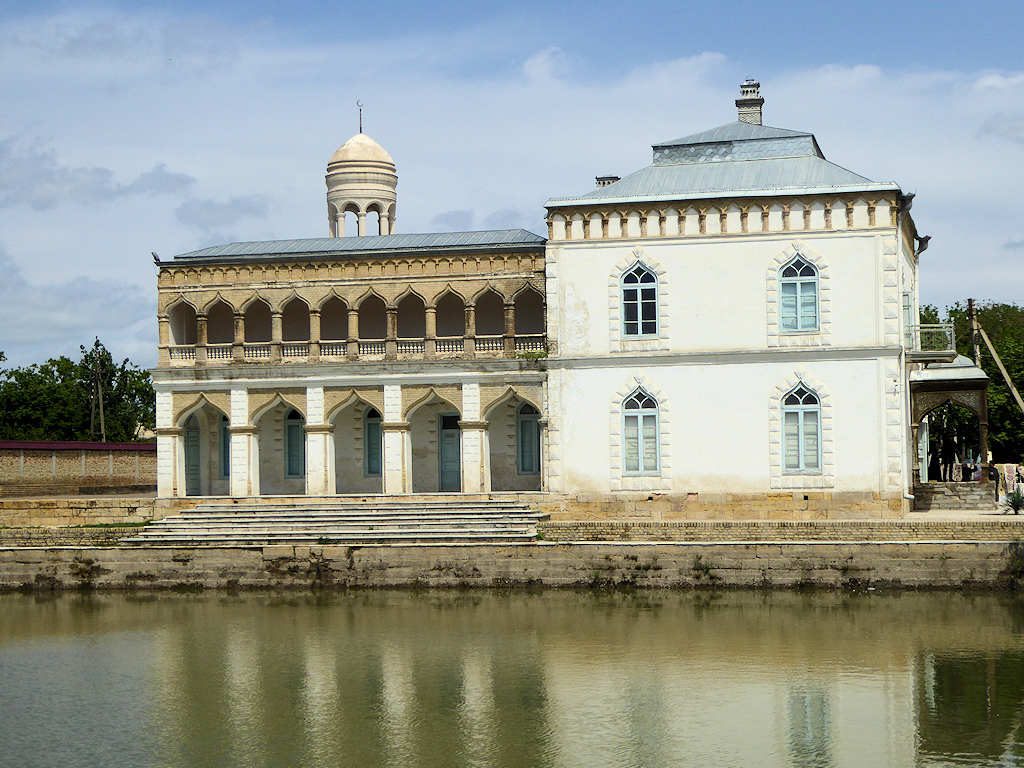
Next up was the summer palace of the last Emir. After seeing so much magnificent architecture, this palace seemed a little lightweight. In contrast to the previous site, the palace was packed with tourists.
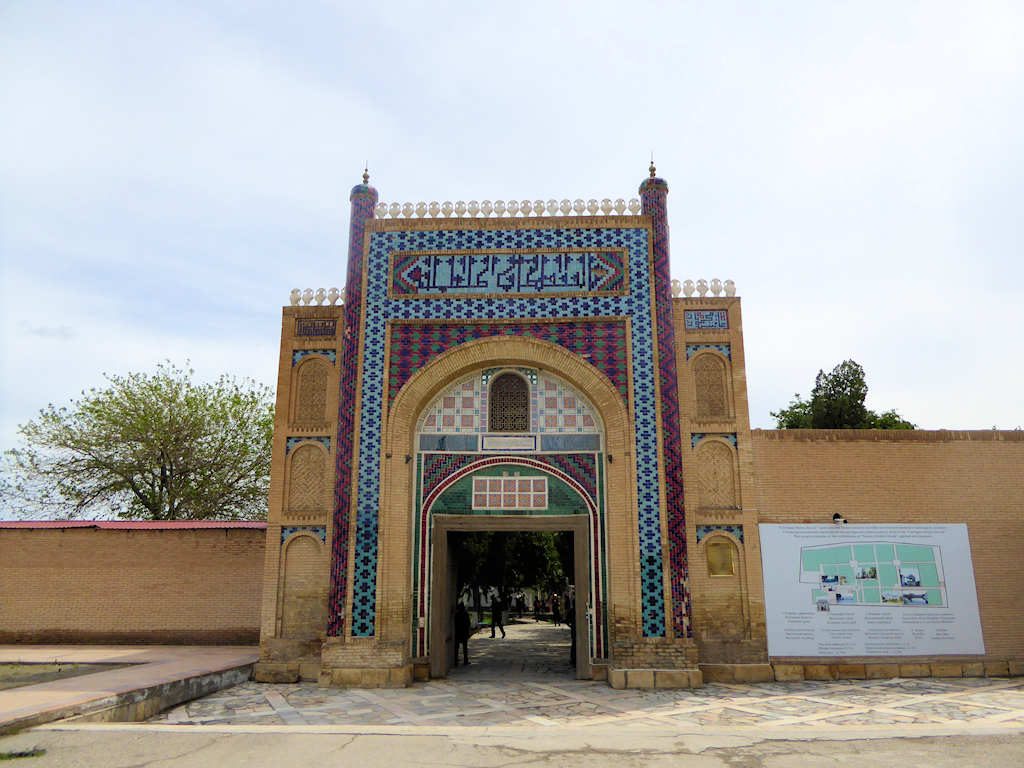
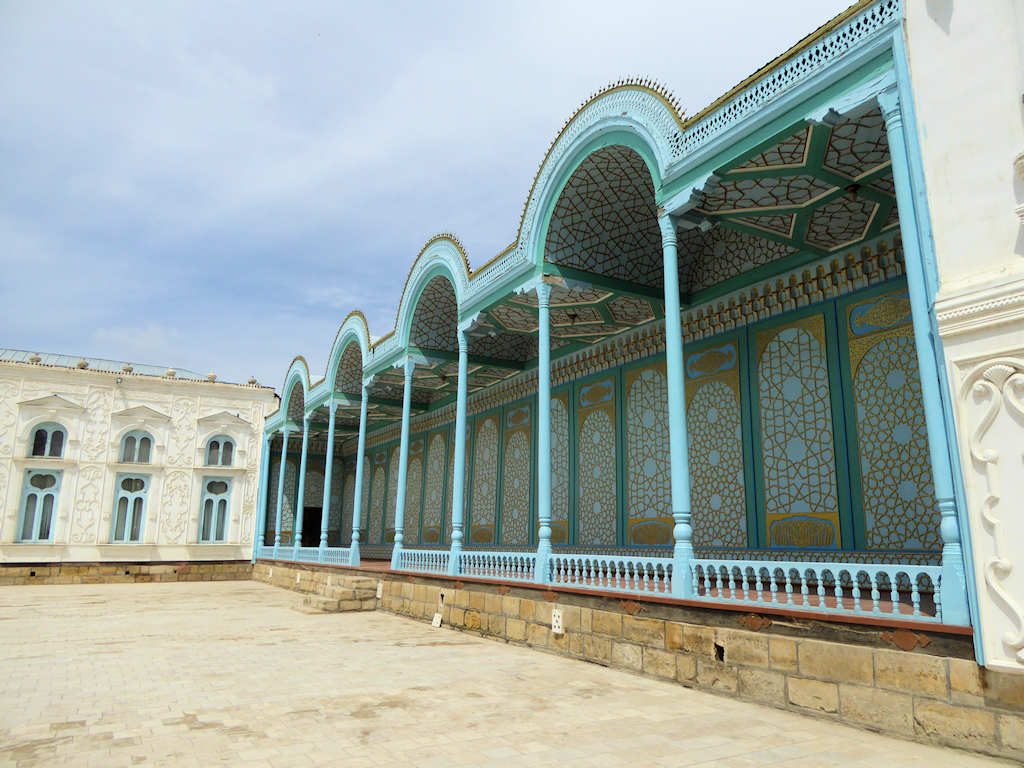
The interiors were as lavish as you would expect.
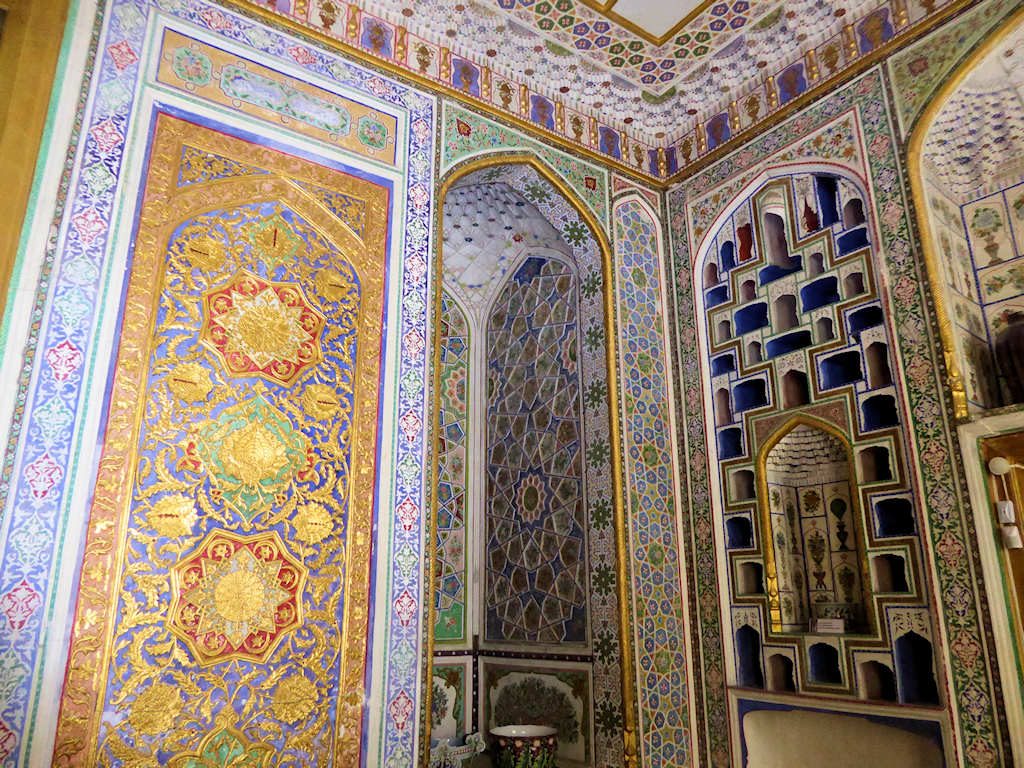
The harem palace (above) was so dark inside you couldn’t appreciate the tapestries. I liked the grounds more, especially the peacocks and screaming crows.
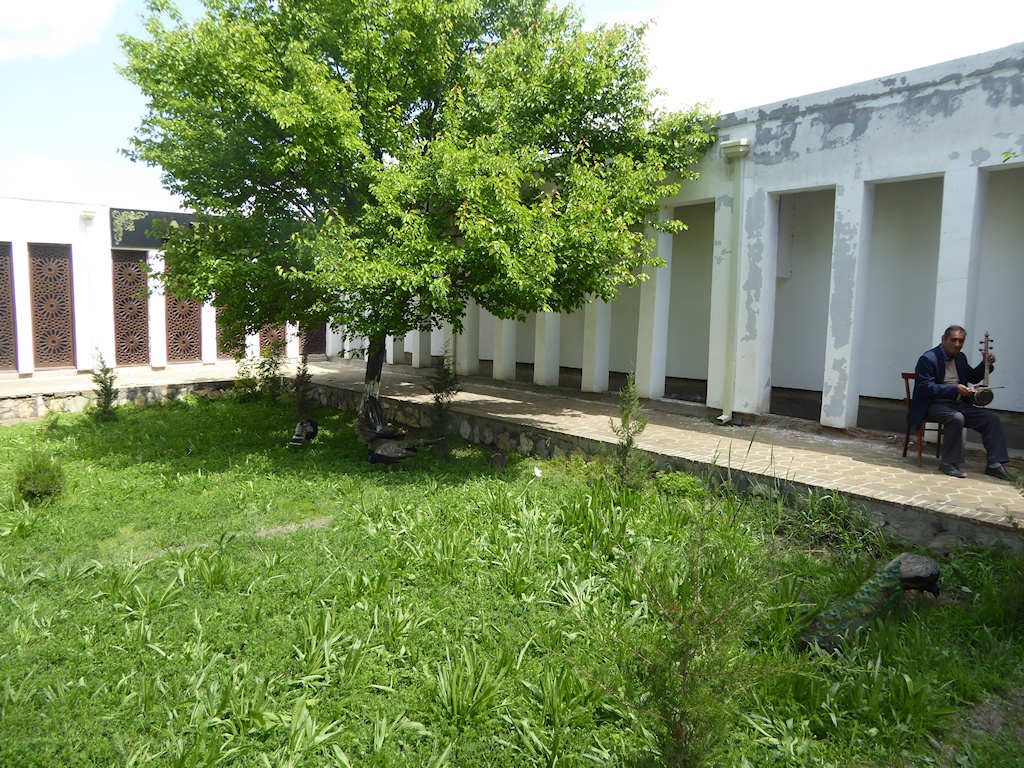
It was all way too touristy. I did see some earrings I liked in one of the many crafts stalls.

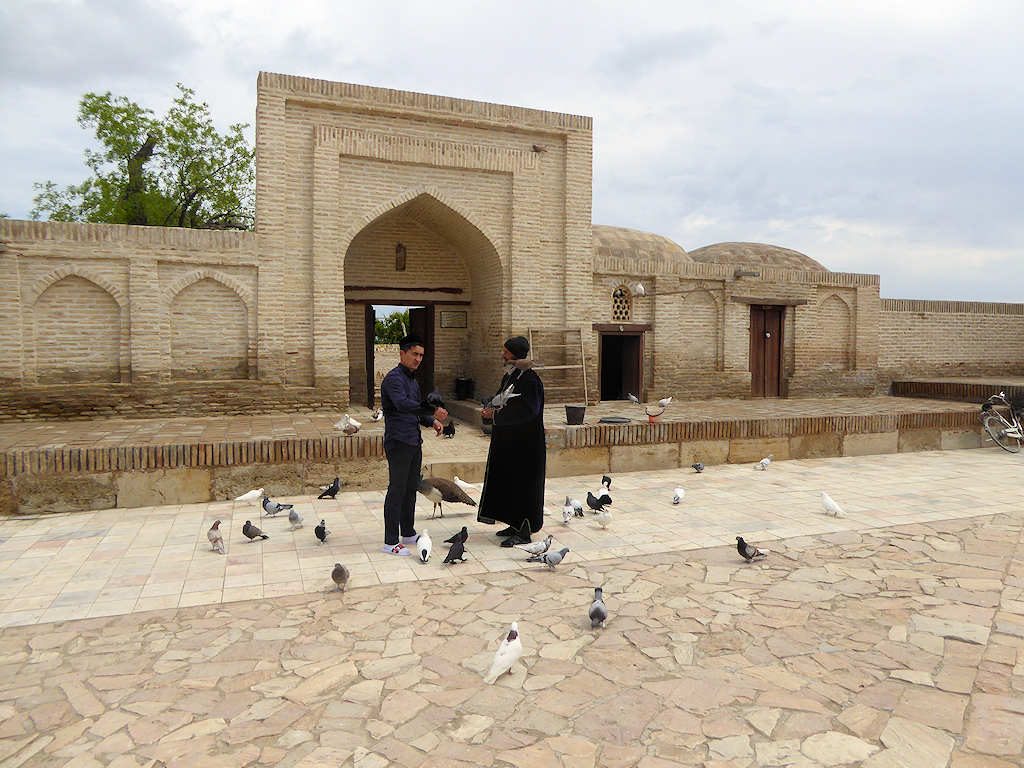
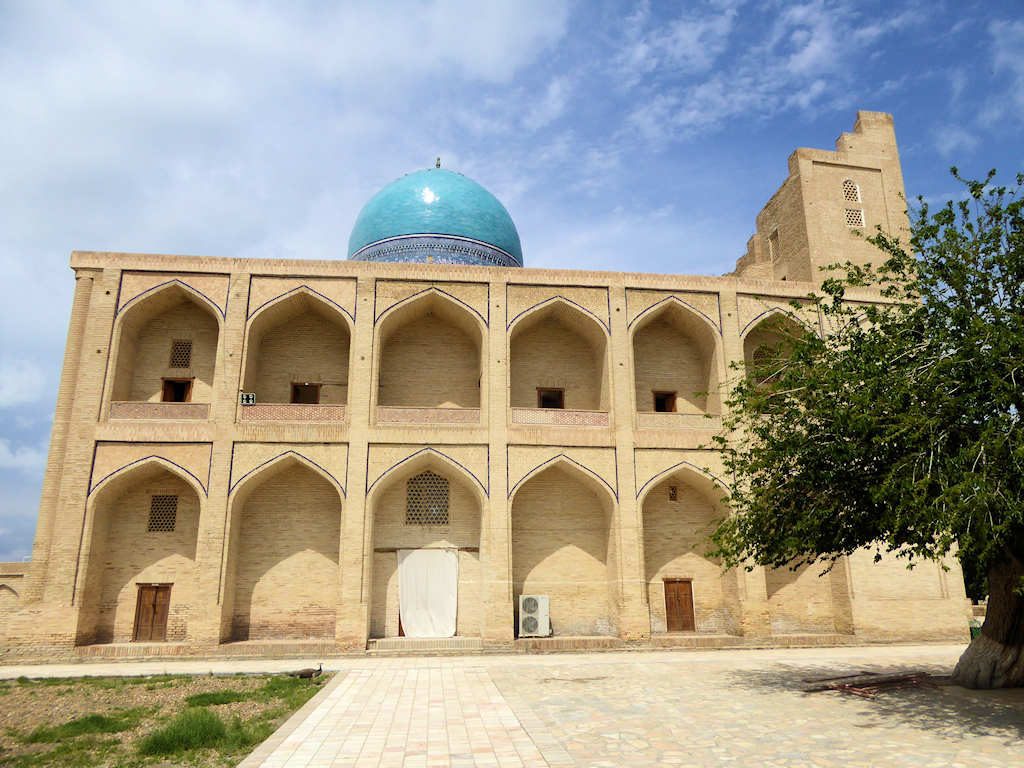
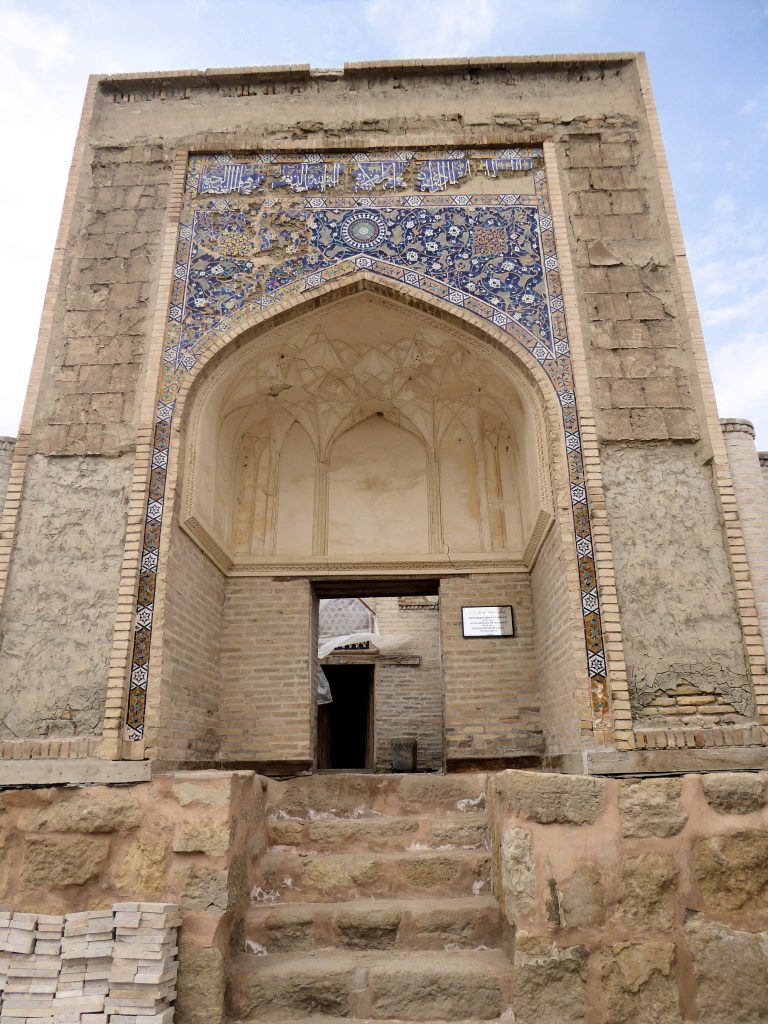
The last stop was the best. Char Bakr is a burial complex for several important sheiks. It was certainly not renovated much; you could only glimpse remnants of the ancient tiles. But it was largely empty and most evocative. It was still inhabited by the muezzin. His call to prayer was issued in a clear, strong voice. He also tended a flock of tame pigeons which you could hand feed. Geese, ducks and turkeys completed the menagerie.
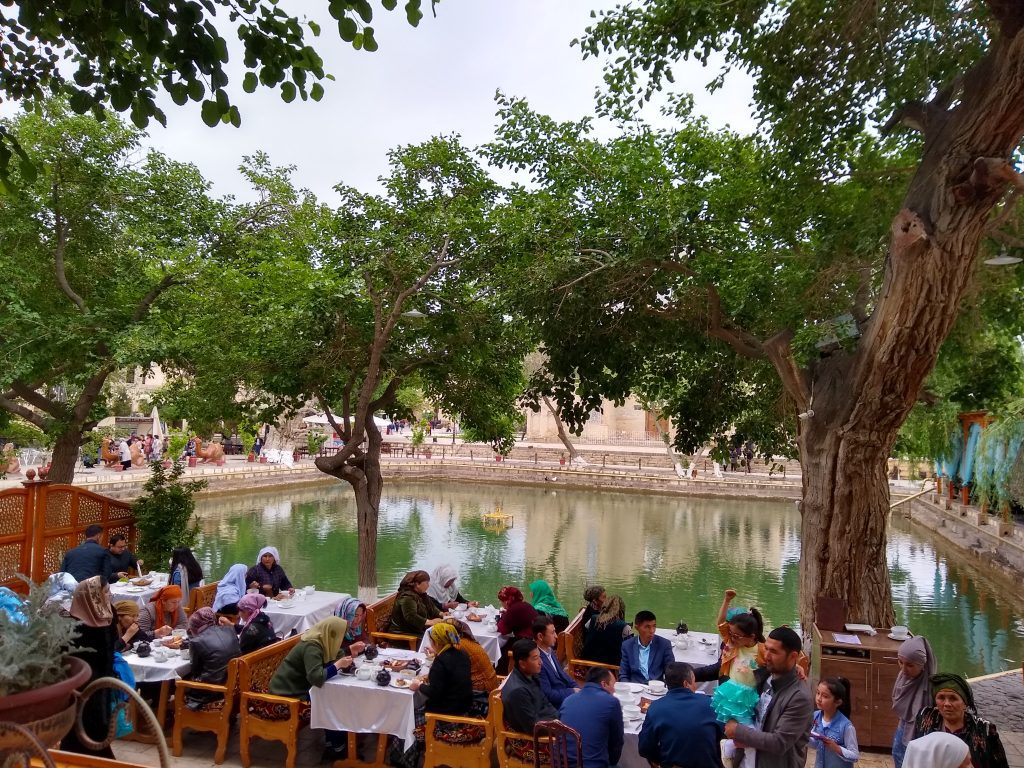
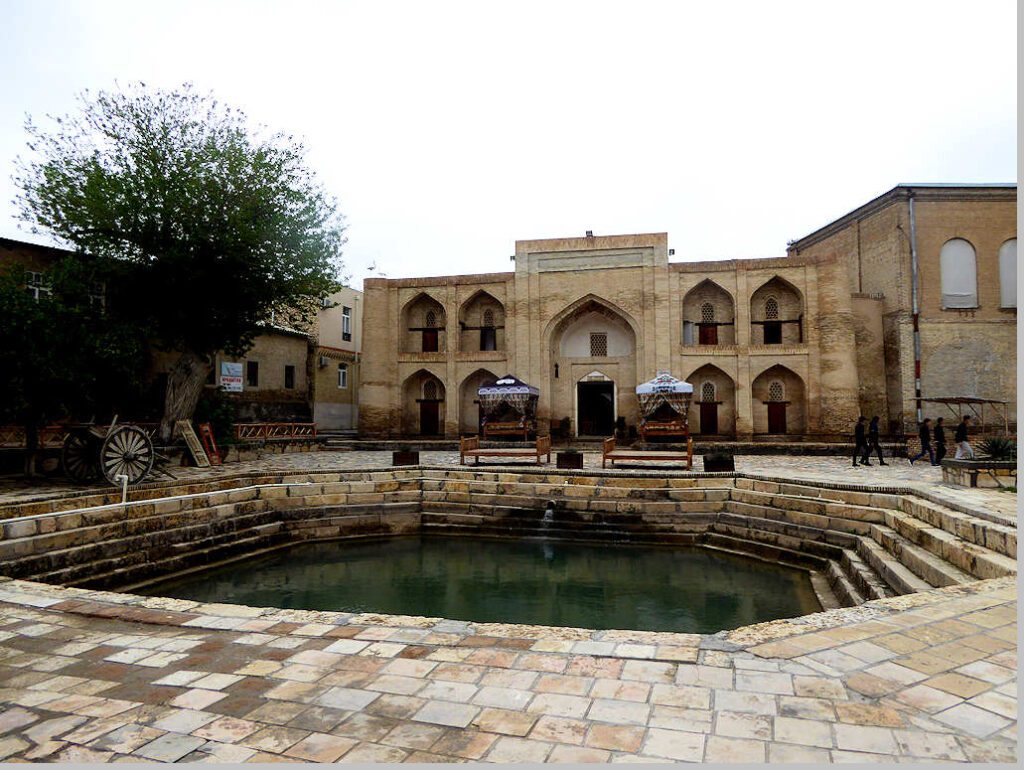
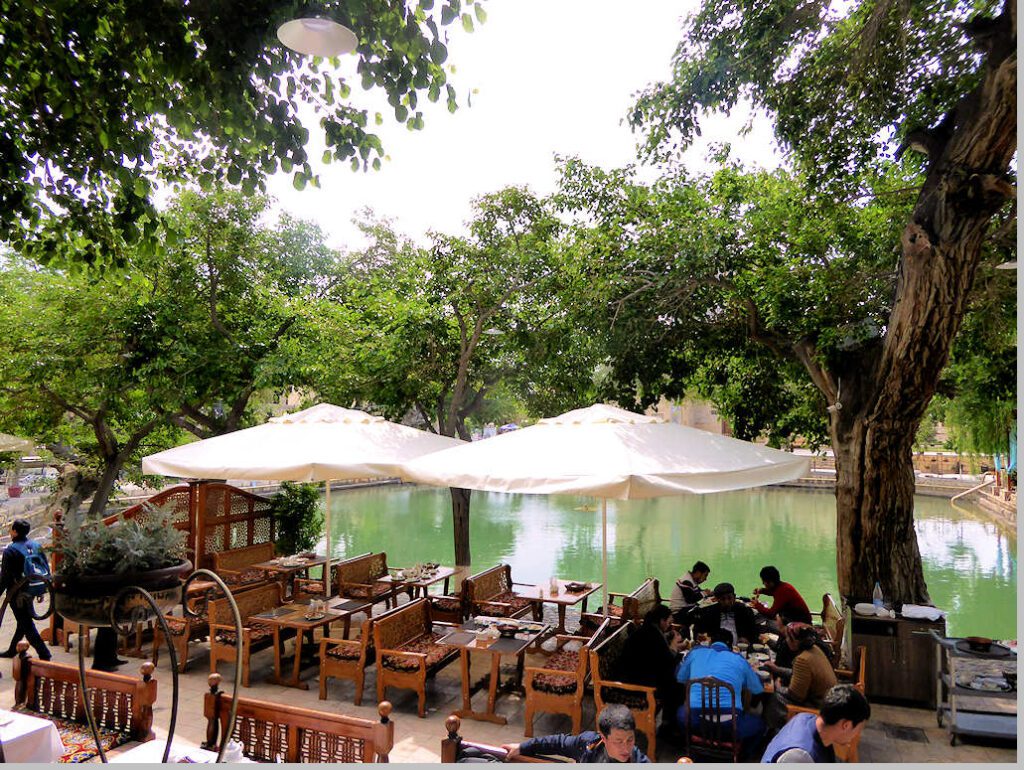
Back in Bukhara, I relaxed over a decent lunch at one of the restaurants around Lyabi-Hauz, the central square.
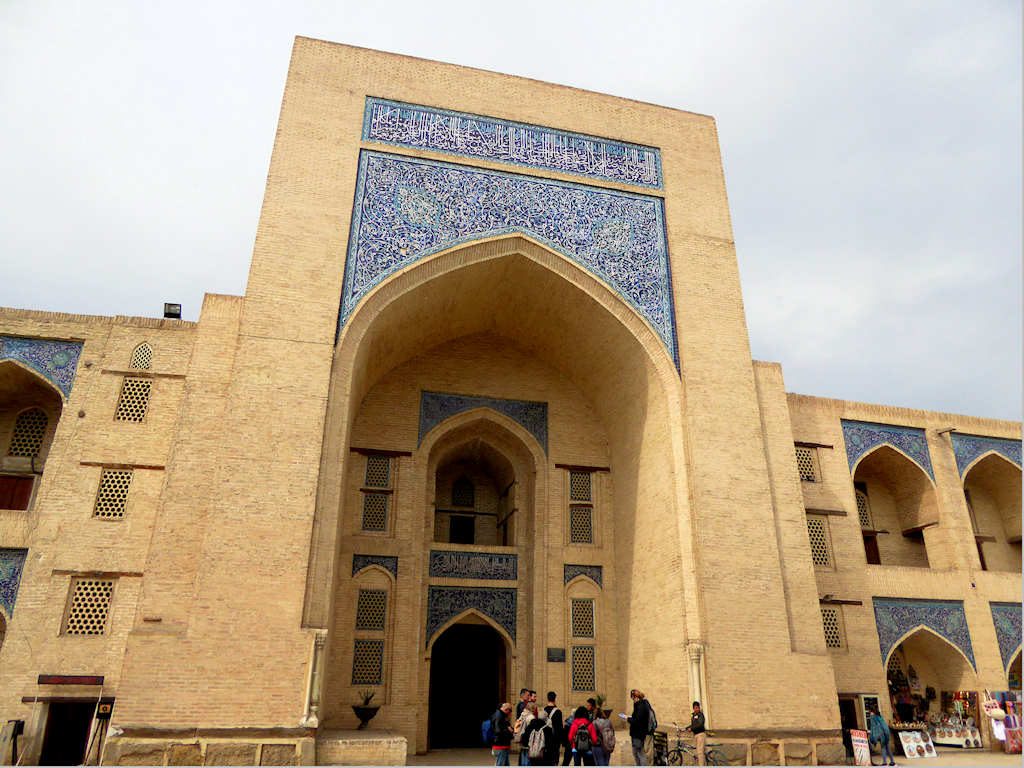
Nearby is the 16th-century Kolkaldosh Medressa.
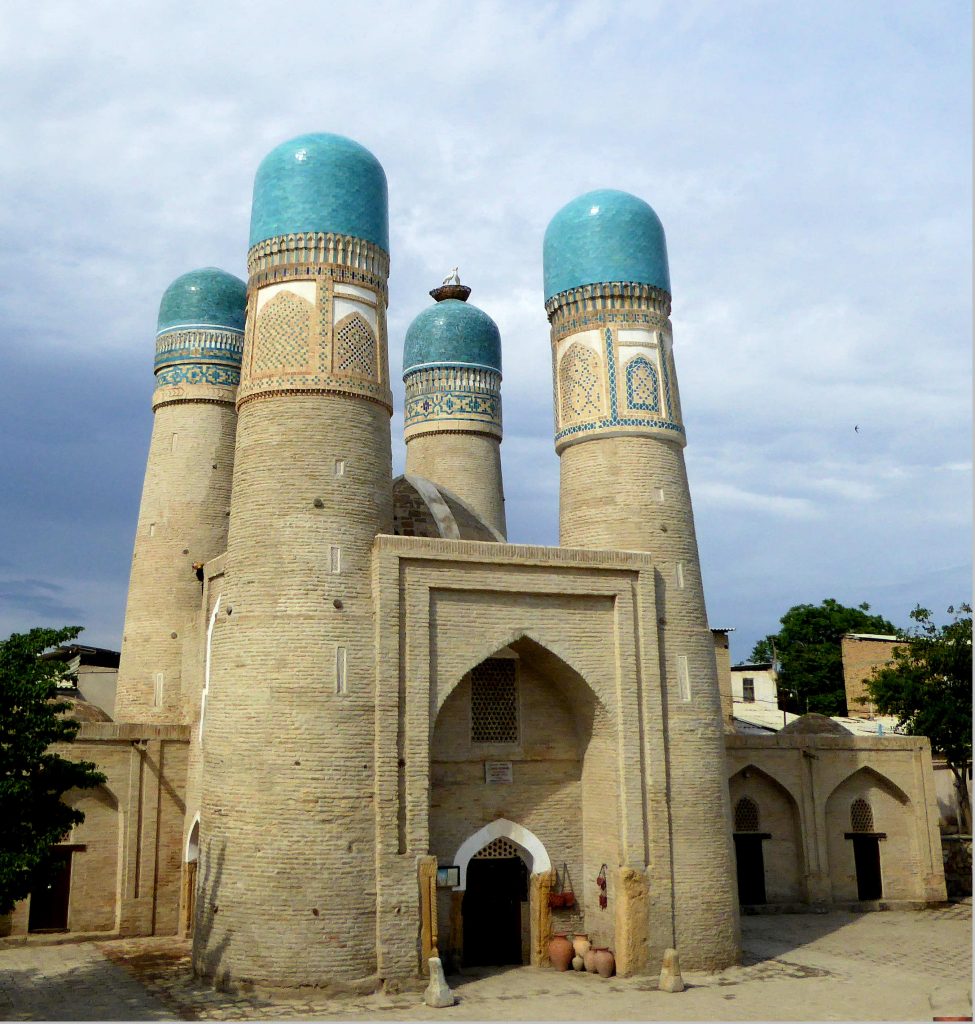
Then it was time for more sightseeing. I headed first to cute little Char Minar built in 1807. It’s postcard-pretty but slightly silly, no?
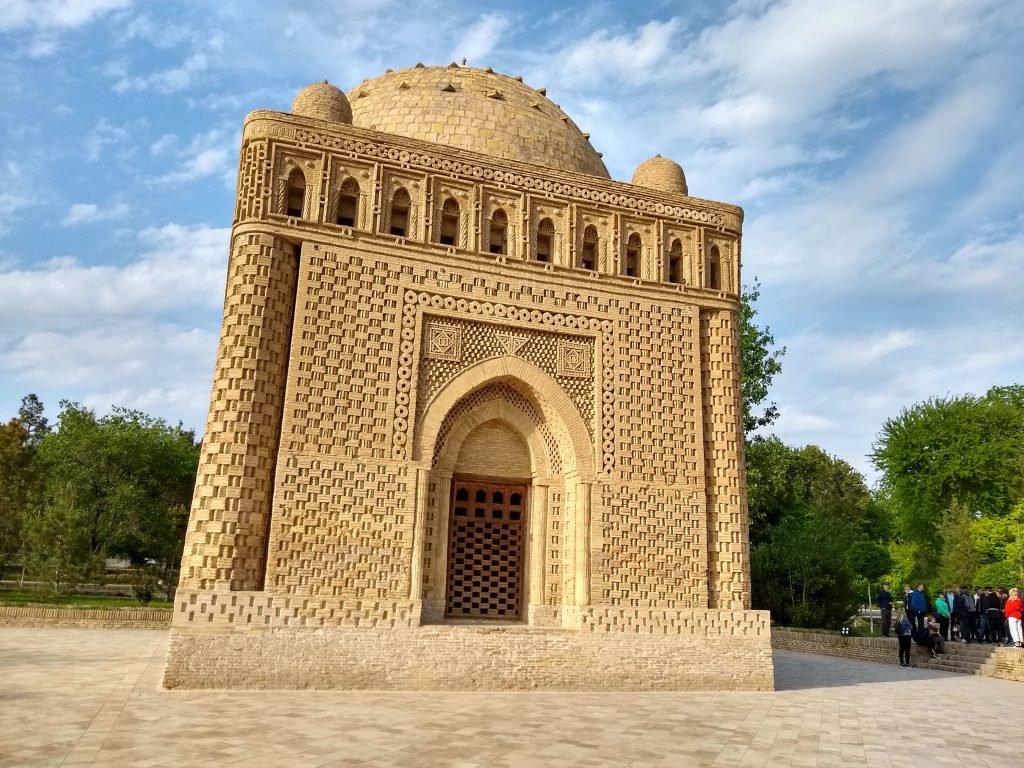
Then back through town and out to see the Ismail Samani Mausoleum. It was a long walk and I had trouble finding it. Finally I stumbled on the nearby Chashma Ayub mausoleum where a swarthy middle-aged man decided to give me a personal tour of the neighborhood. He spoke fluent French and English and said that he and his group of traditional musicians had even played the Salle Pleyel on Paris.

The Ismail Samani Mausoleum dates back to 905, making it the oldest monument in Bukhara.
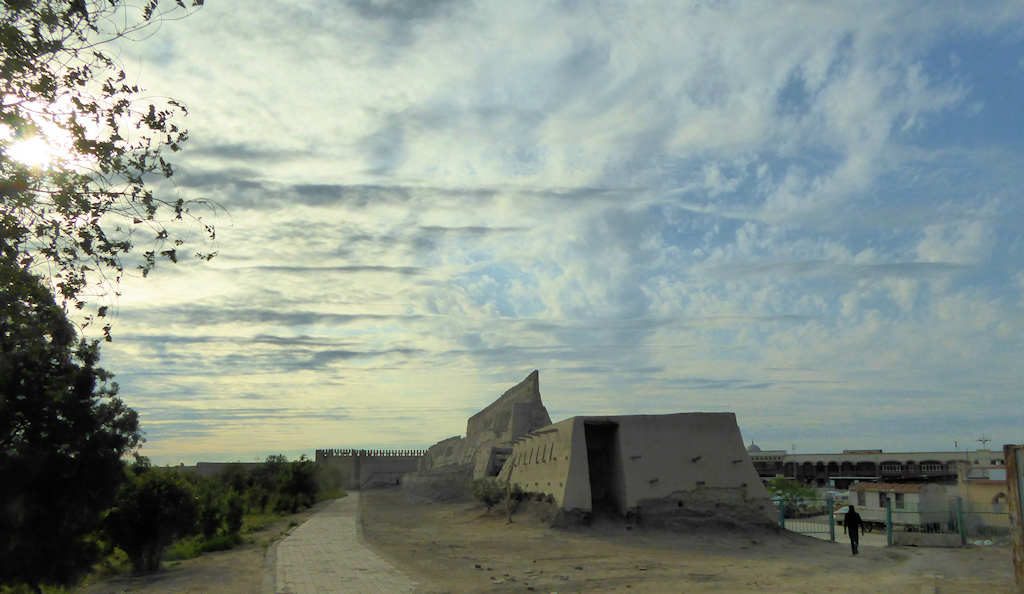
Above is a partially restored section of Bukhara’s ancient walls.

He was extremely knowledgeable and spent about an hour regaling me about Bukhara history. Then we headed back to the Chashma Ayub Mausoleum, now a museum dedicated to explaining Bukhara’s water supply. There’s a spring there which is where Job allegedly struck his staff. I don’t necessarily believe the legend but water from the spring was the sweetest and tastiest water I’ve ever sampled. Bottle that up and no one would ever drink soda again.

After all the time he spent with me I knew there would be an ask. He had CDs to sell! I bought one for about $6 out of respect for his time but also because I happen to like the music.

By this time I was exhausted and headed back to town, first on a bus to the Ark and then walking.

I headed right to Minzifa restaurant for some lovely vegetarian snacks and some wine.
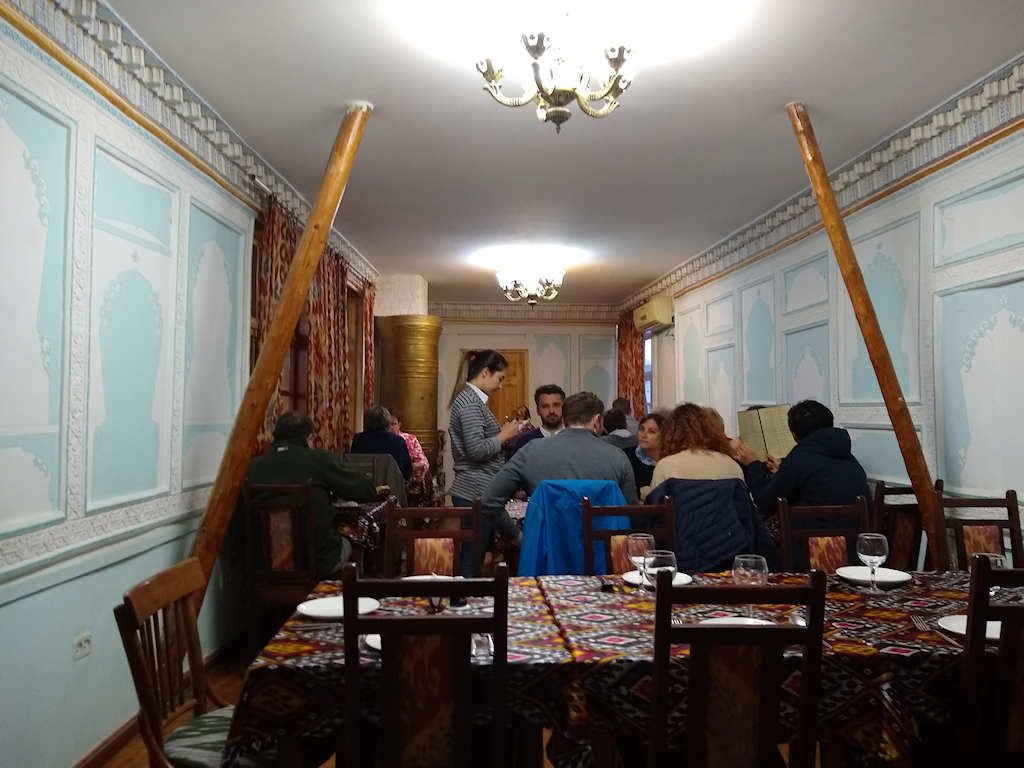
Uh oh. The bill came and the waitress presented me with a written bill for the food and then with a calculator, hurriedly tacked on about $8 for the two glasses of wine. French prices. I protested and she “gave me a discount” of a couple of bucks. What?? She sped away. I thought about it  it and realized that it was basically destined for her pocket. I put down the money for the food and a little extra for the wine and left. I knew she wouldn’t come running after me and she didn’t.

It was the first time in two weeks that anyone tried to pull a fast one on me. Too bad to end my Silk Road journey on a negative vibe.

Posted in Central Asia | Leave a reply

Bukhara Crafts and Holy Places

Global Traveller Blog Posted on April 21, 2019 by JeanneMay 5, 2019

I awoke to a decidedly gray grim and chilly day. I checked the weather report for Khiva and it looked like it was even colder there and just as gray. Now it doesn’t seem like such a gigantic fail to have not worked Khiva into my itinerary. In fact for a gray and miserable day Bukhara is probably the best place in the country to be. There’s so much to see!

First stop was the 16th-century Synagogue which was right around the corner.

I was also fascinated by the ancient Caravanserai which once welcomed caravans. Now they host–what else–craft shops!

As the forecast indicated that it would clear up later on, I decided to spend the good part of the day again going over Bukhara’s endlessly fascinating crafts scene.

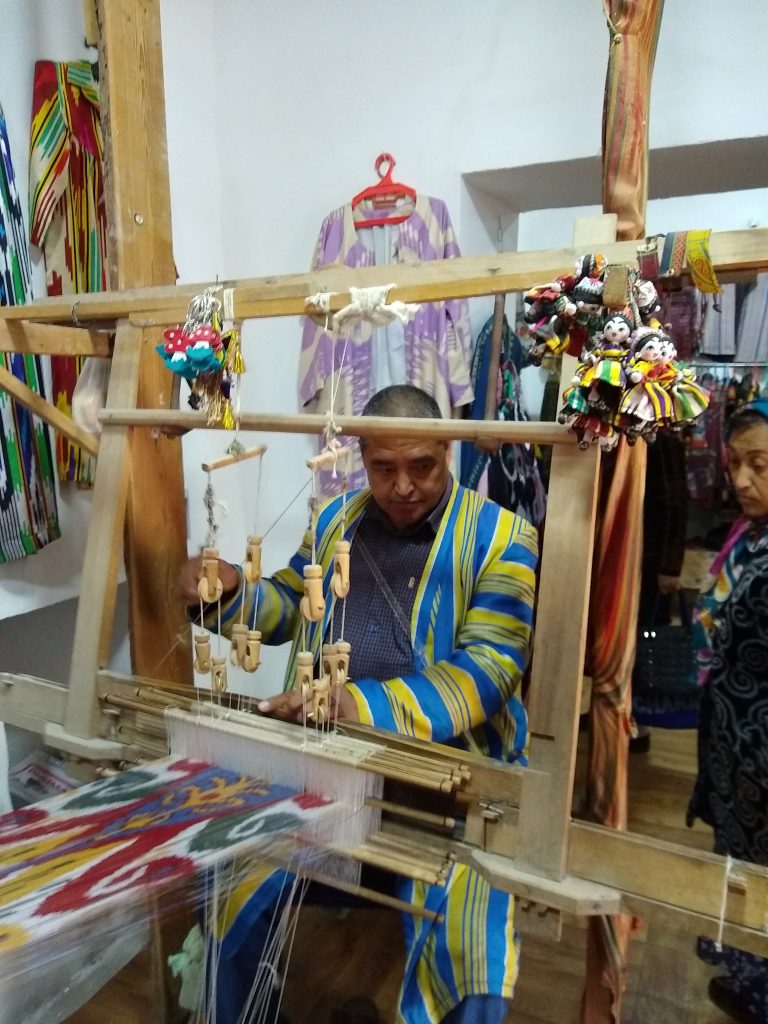
The problem that Bukhara has, and I think it’s shared by a lot of other countries with indigenous crafts, is that a lot of the styles don’t quite work in the west. I had thought of buying a small carpet but again the colors just didn’t seem to really go with my bedroom. A lot of the beautifully embroidered jackets and vests and light coats seemed to have colors that were maybe a little too garish to wear in France.

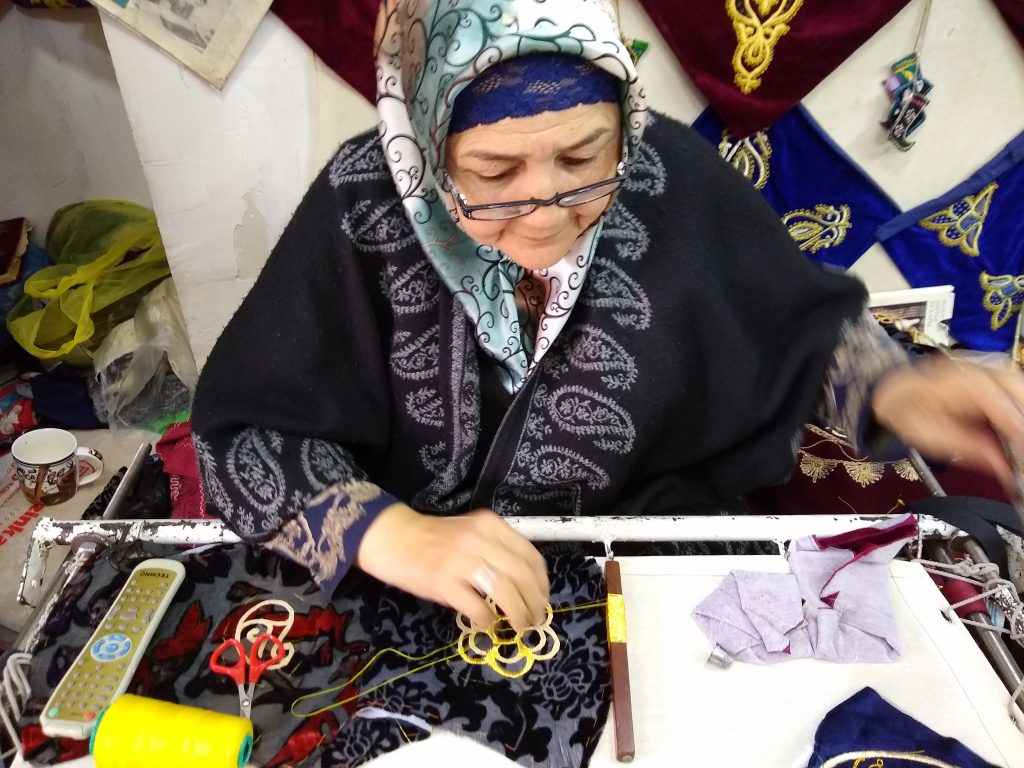
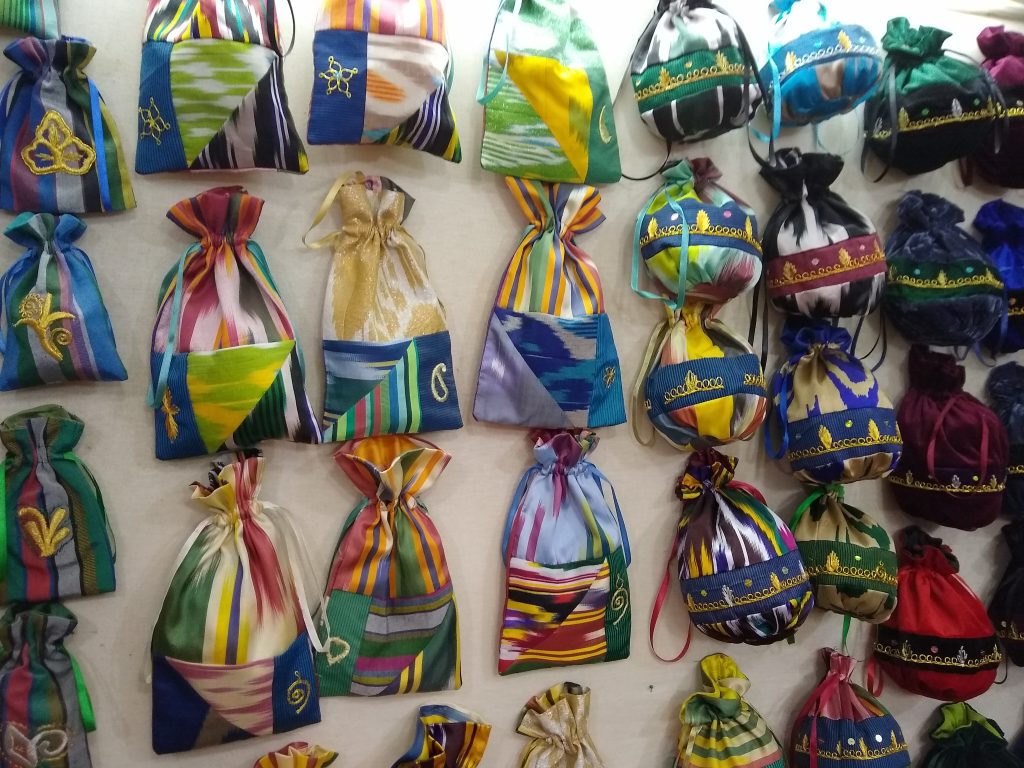
Gold embroidery is a major specialty of Bukhara but how many things with gold embroidery on it am I actually going to wear? So I got a small little pouch with a hand-embroidered design.

I want to support the local craftspeople but I also don’t want to wind up with something that is not really going to fit into my lifestyle. But I did get a beautiful scarf very subtle coloring made from silk and camel wool. .

Of course every time you stop and admire something you get a hard sell which is unfortunate. I also examined some jewelry and particularly some rings. I did appreciate the total honesty among the vendors who are happy to tell you if the stones came from Nepal or Afghanistan or if the shawls came from Pakistan.

The important thing to note about the bazaars is that the clothing is not just made for tourists. Local people buy and wear these styles.

I also checked out some of the other major sites and, despite the weather, appreciated the oldest mosque in Bukhara, now a carpet museum, Maghok-I-Attor. Dating back to the 9th century and then reconstructed in the 16th century, it is believed that Jews prayed here with the Muslims before the construction of the synagogue.

It was such a raw day, I lingered over a long cup of tea in charming tea shop.

Then I strolled back to this town center for some lunch at the Savoy restaurant which although very friendly again turned out to quite unimpressive.

And now finally in late afternoon the sun peeked out illuminating the gorgeous mosques and medressas that I had seen yesterday in the shade.

The 15th-century Ulugbek Medressa and 16th-century Abdul Aziz Khan Medressa make an imposing ensemble, facing each other across a massive square.

Ulugbek Medressa

Abdul Aziz Khan Medressa

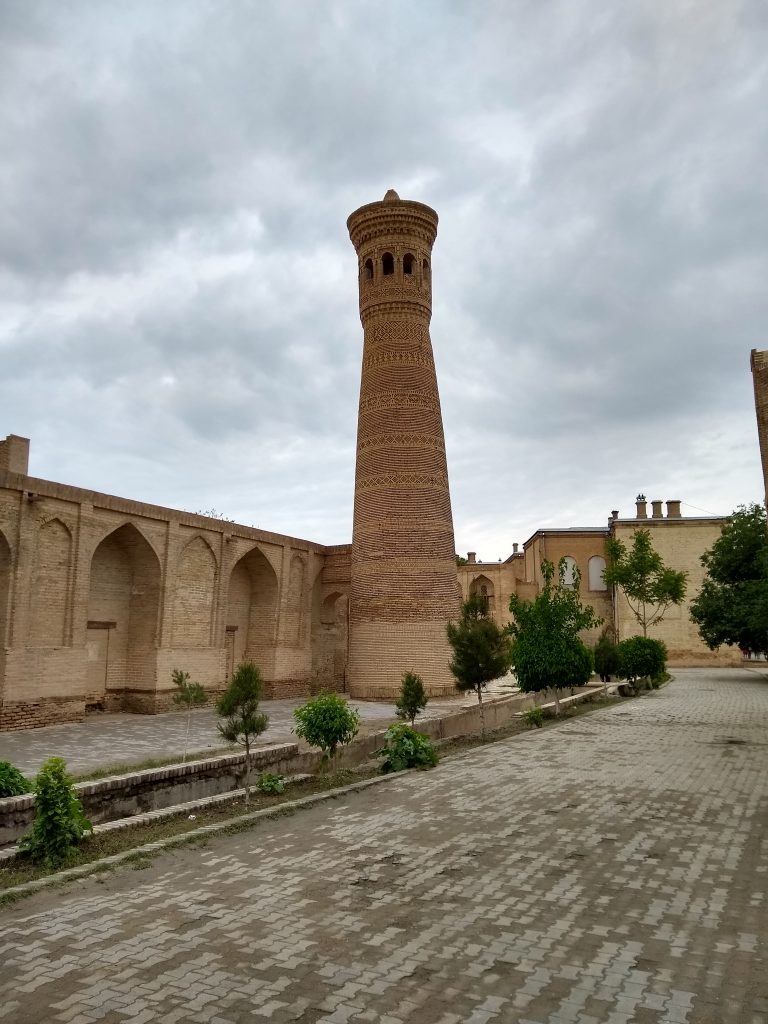
Even more spectacular was the Kalon mosque and Minaret and  Mir I Arab Medressa also grouped around a massive square.

Kalon Mosque

Kalon Mosque (interior) and Minaret

Mir-I-Arab Medressa

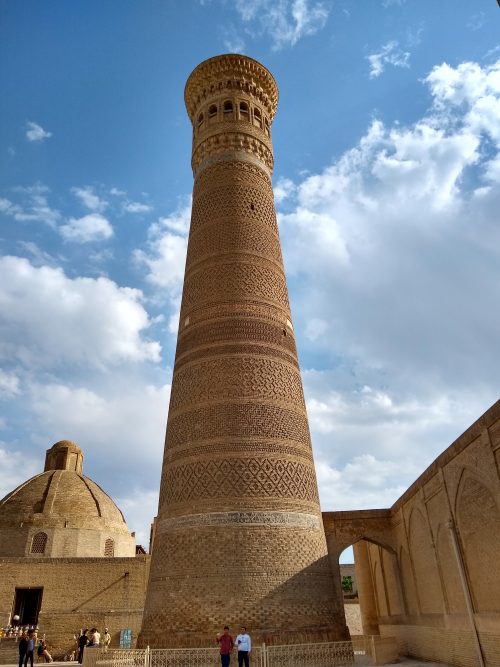
The Kalon Minaret: 880 years old and still standing!

Posted in Central Asia | Leave a reply

Bukara First Look

Global Traveller Blog Posted on April 20, 2019 by JeanneMay 4, 2019

It’s great that the Hotel Mukhlisabegim, despite its modest rooms, is located just steps from the Lyabi Hauz square. This pretty square centers around a small pond. Bukhara is indeed an oasis city which made it a vital stop on the Silk Road.

So I decided to just wander around for a bit this morning. Since I have time there’s no need to rush around checking sites off a list.

I strolled just about a hundred meters west and came to a peaceful spot centered around the Gaukushan Medressa.

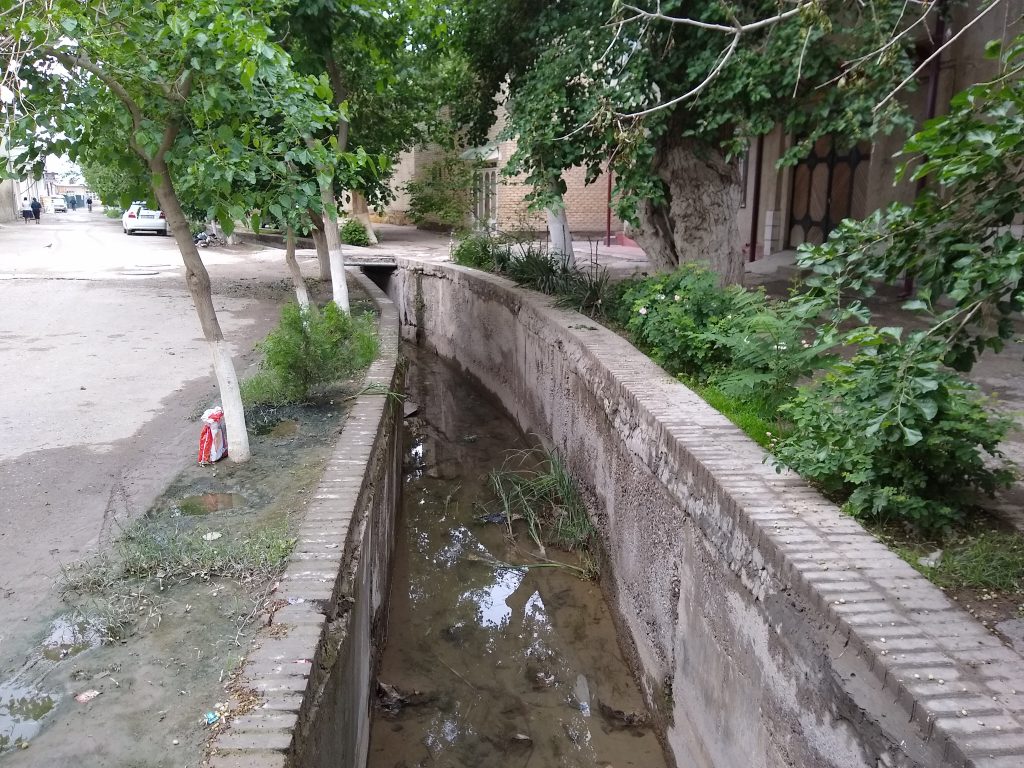
It’s right along one of the canals that was used to drain what had been the swamps of old Bukhara.

It was nearly empty as it’s not one of the more famous spots but it’s still quite attractive.

Soon I found myself in the ancient covered bazaars of Taki Sarrafon, Taki Telpak and Taki Zargaron.

The crafts on display in Bukhara are amazing. They do not display a lot of junk from China and India as they are quick to point out and they are also happy to be honest about whether something is machine made or handmade. Anyway it’s obviously authentic because there are a lot of variations in the designs. I perused stall after stall of silk scarves, silver jewelry, silk carpets, carved walnut boxes, and the particular designs known as suzani and ikat. There are also delicately painted reproductions of iconic scenes from the past as well as straw paintings, gold embroidery, hand-woven silk, ceramic tea sets and elaborate knives. In fact there are far more people working on crafts than there appear to be buyers for them.

Suzani design

The bazaars are endlessly fascinating and because they’re covered it provides some shelter from the rain and drizzle.

I then wandered into one of Bukhara’s main sights, the Kalon Minaret, the Mir I Arab Medressa and the Kalon Mosque. As the sky was a dismal gray, I only gave it a cursory look. What I have learned is that the presence of sunlight makes a very large difference to appreciation of this Islamic architecture. The beautiful blue tiling is meant to sparkle in the sunlight. If you have to see things in the rain then so be it, but the effect is far more dazzling in the sun.

I headed back to town to grab some lunch at Budreddin. Although atmospheric and  friendly, I found the food was overpriced and not very good. By “overpriced”, I mean that I spent about $8 for vegetable dumplings, noodle soup and a beer.

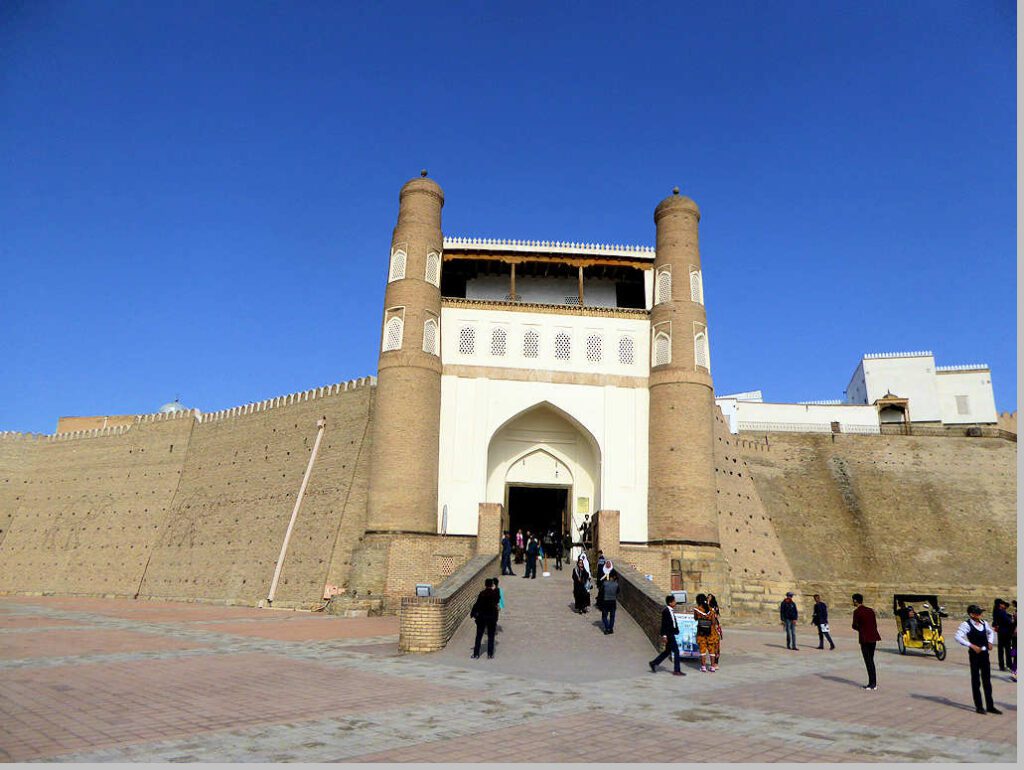
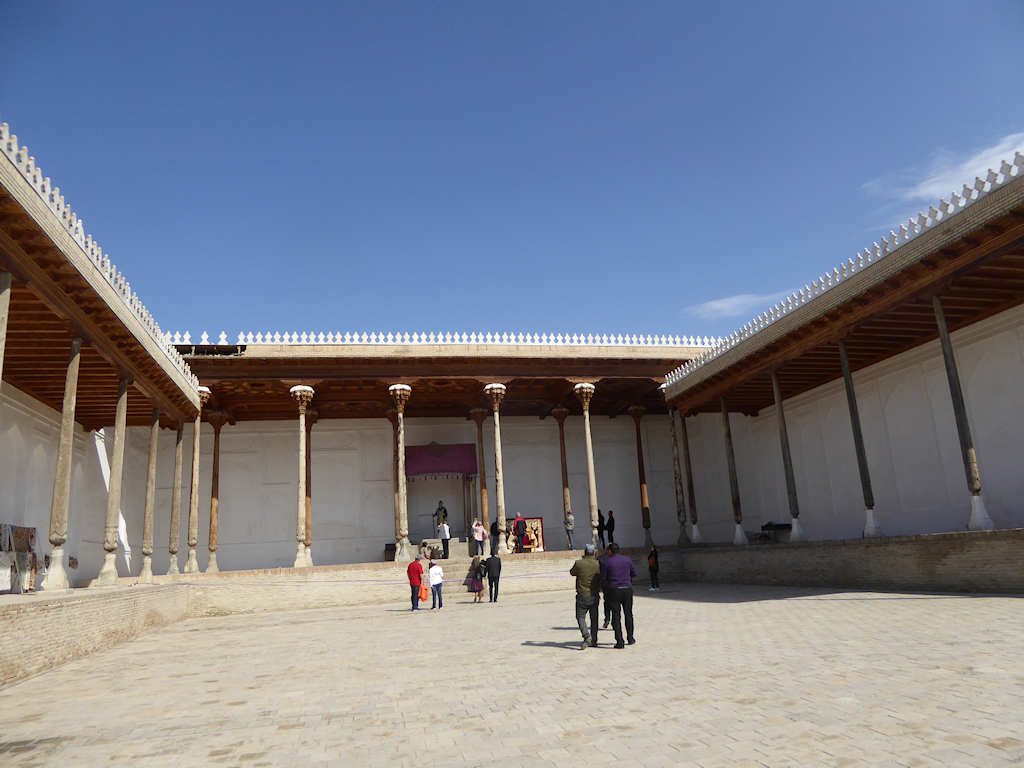
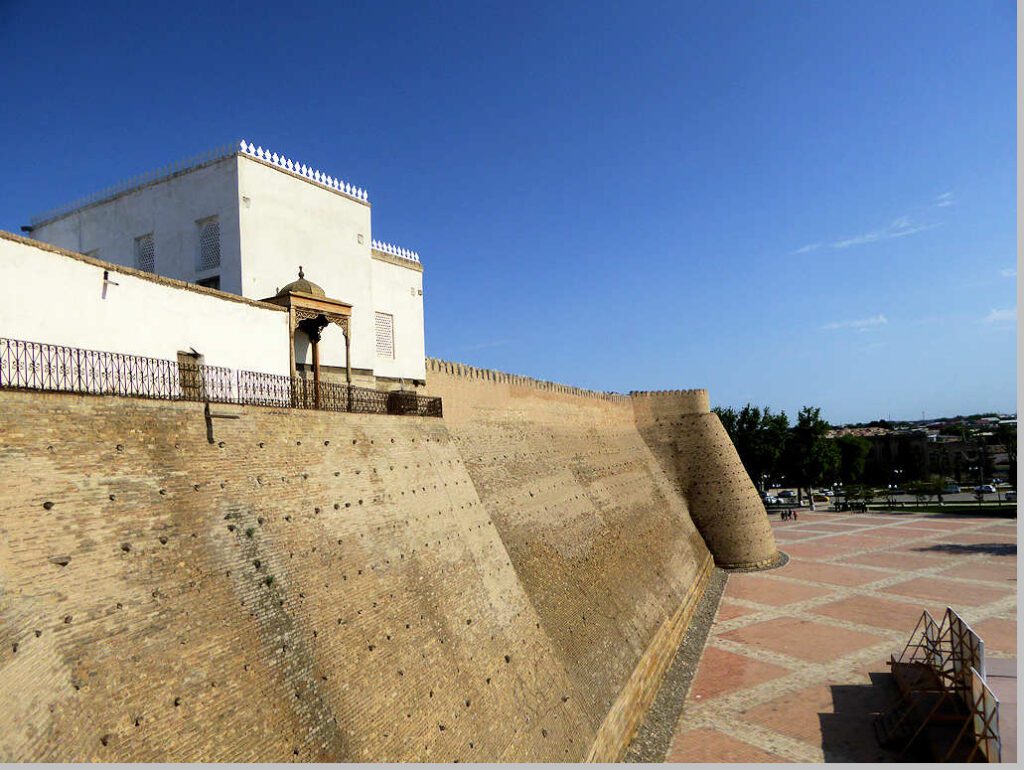
By the time I got to Bukhara’s other main site, The Ark, the sun blazed through the clouds. This gigantic fortress was the place where the Emirs of Bukhara held court until the last emir was chased out by the Bolsheviks in 1920.


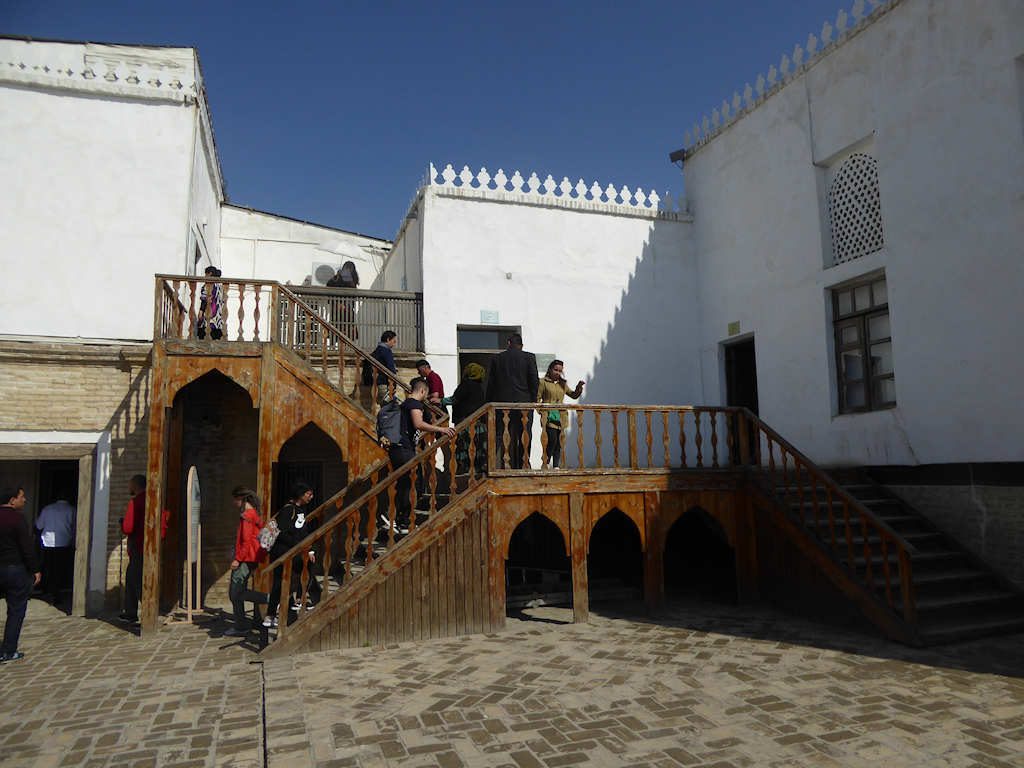
The fort was fairly crowded but the rooms and exhibits managed to evoke palace life.

Coronation Hall

The Ark is Bukara’s oldest structure, occupied from the 5th Century right up until 1920 when it was bombed by the red army. Although heavily restored, it has some good photographs of the emirs and some of their victims including the two British diplomats, Connelly and Stoddart, who were imprisoned, tortured and ultimately beheaded. It was a major scandal at the time.

The palace walls were incredibly thick which leads one to believe that the emirs must have been worried about attacks.

Taking advantage of the beautiful sunlight I decided to walk back to the Kalon Minaret and mosque to take some pictures.

This minaret was built in 1127 and stands 47 meters tall with 10m deep foundations. It’s an architectural and engineering masterpiece. The 14 ornamental bands represent the first use of the glazed blue tiles that you can now see pretty much everywhere throughout Uzbekistan. Even Genghis Khan was so impressed with it that he didn’t reduce it to smithereens as he did almost every other damn thing in his path.

Sightseeing over, I headed back to this town center and decided to eat at a Lonely Planet recommendation called Old Bukhara. Like every other place, it was immensely crowded and there were no vegetable dishes left so I had to eat a traditional specialty here called Osh which is a rice pilaf with currants and spices topped with a lot of beef. It wasn’t particularly good and the service wasn’t particularly friendly but it filled me up.

No one comes to Uzbekistan for the food.

Posted in Central Asia | Leave a reply

Samarkand to Bukhara

Global Traveller Blog Posted on April 19, 2019 by JeanneApril 30, 2019

I had some time before my train to Bukhara was due to leave so I decided to take a long look at the Gur-I-Amir mausoleum which was just steps away from my b&b. Although I had looked around a little bit on the day of my arrival I hadn’t gone inside because it was too late.

It was pouring rain but the most interesting part or at least the part that I hadn’t yet seen was inside. It was where Timur “the great” and his sons were buried.

Morning was apparently a bad time as this is when tour buses arrive. It was jammed. It was the first time that I felt overwhelmed by tourism.

The main part of the mausoleum is the spectacular indoor room where Timur and his sons are buried. It was jammed. Although glittering with mosaics and gold leaf, it seemed artificial to me. Perhaps it was recent or very heavily restored.

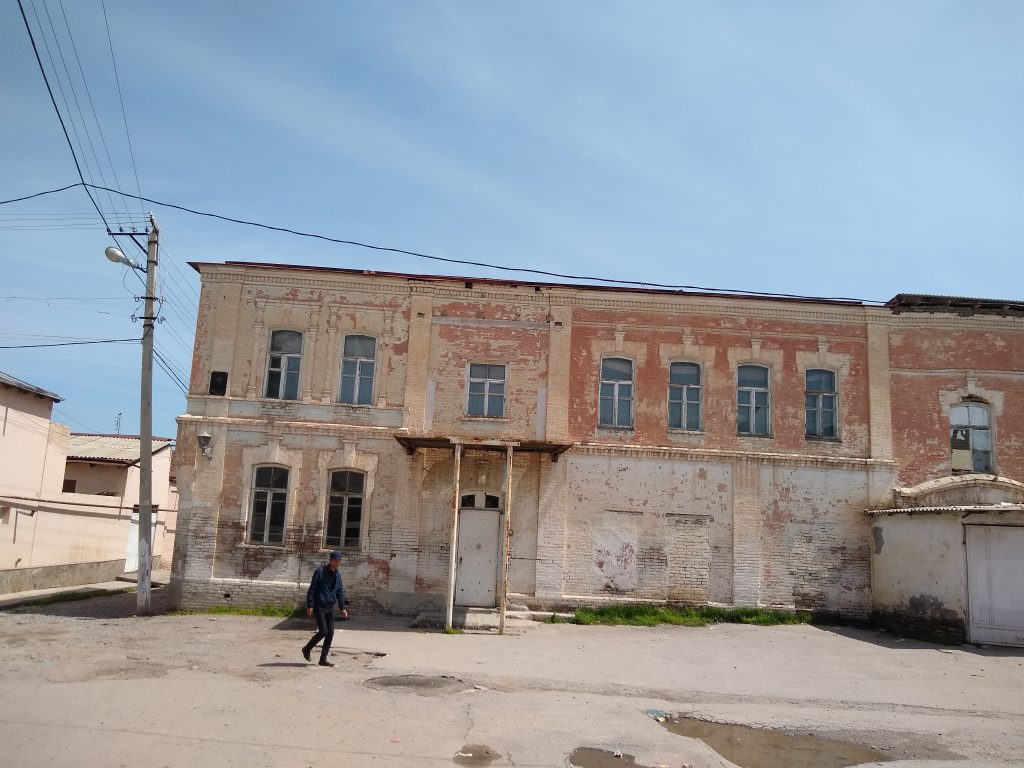
I got a taxi across town and managed to catch the train for once and it was a comfortable and easy three-hour ride. What is it like to be a woman traveling alone in Uzbekistan? It means you never have to worry about lifting your own bag in a public place. There’s always a guy around to help you out. I like that.

The hotel in Bukhara was the Mukhlisabegim which was centrally located even though it made a humble first impression. No one spoke English so bring out Google translate again. It was a typical Jewish merchant house where rooms were arranged in two storeys around a central courtyard.

The main order of business after arriving in Bukhara was to figure out what I was going to do about Khiva, that is whether it would be possible to get there as part of a tour.

I went to a nearby travel agency–Emir–on the vain hope that somehow Emir would find a way to get me to Khiva somehow. I thought that possibly I might be able to work out a an overnight tour with some other people in the minibus or whatever but that just doesn’t seem to be happening. So we went over various options dealing with possible trains and possible shared taxis but frankly it just seemed like a long and exhausting trip across the desert and back. I asked him if he thought it was worth it and he pointed out that it’s not a living city like Bukhara and that maybe I should do it next time. I agreed. No Khiva for me.

Meanwhile it’s true that Bukhara is the first place I’ve been to that shows a central Asian city unmolested by the Russian demolition and reconstruction squad.  I’m looking forward to exploring it.

You can walk places; everything is not a taxi ride away. I had an excellent meal this evening and even tasted some Uzbekistan wine which was delicious! The restaurant was Mizrihi and was only steps away from my hotel. Of course it was filled with Westerners, mostly French but that seems to be par for the course.


Posted in Central Asia | Leave a reply

Samarkand Old Town

Global Traveller Blog Posted on April 18, 2019 by JeanneApril 30, 2019

I’m so glad I decided to stay an extra day in Samarkand. The historical center was jaw-droppingly gorgeous but no one actually lived around the imposing mosques and mausoleums.  I wanted to see old residential areas.

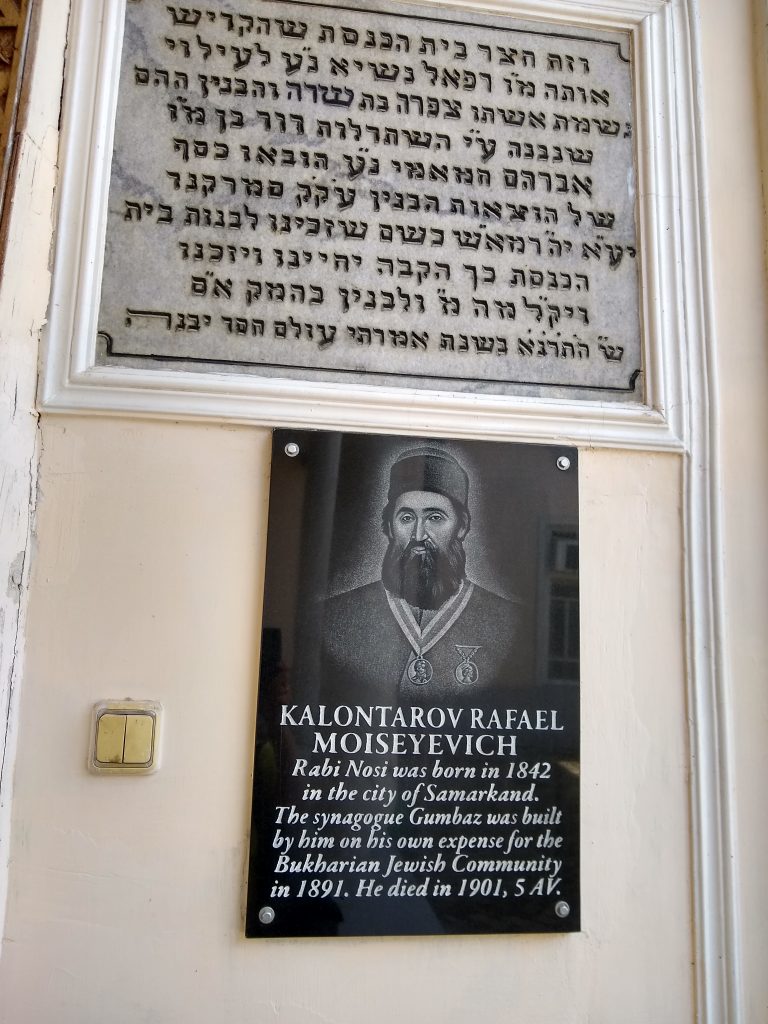
I got an early start and decided to follow Lonely Planet’s advice and explore the Jewish quarter in Samarkand’s Old Town.

It didn’t take too long to find the entrance to the neighborhood which, true to lonely planet advice, was hidden away not too far from the tourist office on Registan. No sign marked the entrance.

My goal was to find the old synagogue. I first stopped by the Furlat guest house to ask for directions. The manager couldn’t have been friendlier and the guest house looked attractive with a strong ambience of old Samarkand. I would have been happy staying there.

I wandered down the winding streets which seemed mostly deserted. The once thriving quarter had clearly been allowed to fall into ruin.  Many facades were crumbling yet some of the massive entrance doors seemed to be in good shape. Peeking behind the few that were open I saw tidy, shady courtyards.

I got lost looking for the synagogue but people were happy to point me in the right direction. Finally, a stocky middle aged man kindly led me through the winding streets directly there.

I was pleased to find that the rabbi was there and happy to show me around. He explained that the population of 350,000 Jews in the old quarter was now reduced to about 250. When I asked why, he mentioned Uzbeki police. As the postwar government was known as a tough police state, one can easily imagine it would have been worse on the Jews. So they emigrated to Israel and New York as part of the expatriated Bukharan Jewish community.

There was an Ashkenazi section and a Sephardic section both of which were beautifully maintained.

There was a carefully preserved section of old books and photos of past rabbis.


As I walked slowly back through the quiet streets I felt profoundly sad that this community that had played such an essential role in Samarkand’s wealth had been driven out . Yet, amidst the ruins there were still some who had persevered. The remnants of the Jewish community seemed to live in some sort of harmony with the Muslim Uzbekis even though it appeared that they lived in different parts of the tiny town. With a few guesthouses, a couple of little grocery stores, a synagogue and a mosque they had managed to cobble together a shared life.

For lunch I headed to Bibi Khanoun restaurant which was jam-packed with tourists. I don’t think the locals here in Uzbekistan can support a thriving restaurant scene. So pretty much everything is for the tourists.

Lunch wasn’t very good. I ordered dumplings which I couldn’t finish but the salad was okay.

After lunch I decided to head to the Afrosiyab museum. It was a long long walk but it was quiet and peaceful with no traffic. The museum is located in the midst of ancient Samarkand which dates back to the 5th century BC.

The museum was a moderately interesting tour of Samarkand’s ancient history before Genghis Khan swept through and destroyed everything. The highlight was a 7th-century fresco excavated nearby.

I strolled back and stopped at the Siob  Bazar to pick up some provisions for the train ride tomorrow. The dried fruits and nuts were  fresh and tasty, perfect to nibble on. Then I hung around for a while people watching.

There was a lot of work being done everywhere around Registan. Painting, polishing, planting, smoothing the walkways–I wondered what was going on. I found out later that a major Uzbekistan-South Korean summit was to take place in a few days.

I had to wonder if all of them are working freely or if it was forced-labor as in the notorious cotton harvest. Under fire for years over its cotton harvest, the government is supposedly “making progress” in “phasing it out”. By the way, don’t try researching that question in Uzbekistan. The search results are there but the websites they point to are blocked.  It seemed like grueling work under a hot sun.

One thing that I have not seen since arriving in this country is a  newspaper. There were no newsstands, no newspapers on sale and no one reading newspapers or magazines. Eyeglasses were also extremely rare.

I had very much admired the tunic and loose pants outfit that women were wearing and I asked the b&b where I could buy a set. He told me that around the bazar they would actually make it to order but it seemed too complicated for me to work out in such a short stay.

I took one last long look at incredible Registan, happy to drink it in once again, and headed back to my b&b.

Posted in Central Asia | Leave a reply

Post navigation

← Older posts
Newer posts →

CATEGORIES

Amtrak Across America

Arizona

Bangkok

Cambodia

Central Asia

China

Georgia

Greece

Hong Kong

Laos

Malaysia

Morocco

Naples

Poland

Rome-Sardinia

Roya Valley

Sicily

Southeast Asia

Spain

Taiwan

Turkey

Southeast Turkey

Administrative

  • Log in
  • Entries feed
  • Comments feed
  • WordPress.org
©2026 - Global Traveller Blog - Weaver Xtreme Theme
↑